
Fintech software development
Financial software development for B2B fintech platforms. Banking, payments, lending, KYC, integration, and the mobile and SDK surfaces your end users touch.
Results from work we have shipped
Looking for features that keep users coming back?
40+ features we have shipped in banking and fintech apps – from instant onboarding and QR payments to savings mechanics and tools for sole traders.
Services in this area
Financial software development is the engineering behind a fintech platform: the integrations, the apps, the SDKs, the orchestration logic and the back-office systems that keep the platform compliant and the transactions flowing.
Billing software built into your platform - pricing plans, subscriptions, usage metering, proration, dunning and revenue recognition, with the rules your finance team can read.
See the service 02Financial solutions developmentThe product layer of a fintech platform: banking software, self-service, wealth, billing, analytics and trading surfaces.
See the service 03Invoicing solutions developmentInvoicing software built into your platform - issuing and delivery, e-invoicing and VAT rules, recurring invoices, approvals and accounting integration.
See the service 04Payment gateway integrationPayment gateway and PSP integration across cards, wallets and account-to-account rails - built inside your platform, reconciled to the settlement file and handed over.
See the service 05Payment orchestrationA payment orchestration layer over multiple acquirers and PSPs - smart routing, cascading and failover, one token vault and one reconciliation view.
See the service 06Payment solutions developmentPayment solutions across the transaction flow - acceptance at POS, online and in wallets, PSP and acquirer integration, PCI DSS, settlement and reconciliation.
See the serviceFintech surfaces we deliver
Channels, core-adjacent systems and modernisation programmes for regulated banks and banking groups.
See the service Mobile banking appsNative and PWA mobile banking, integrated with your core and identity stack, built for regulated rollouts.
See the service Mobile and B2B2C appsThe end-user surfaces that consume your platform's APIs, built around the integration backbone rather than bolted onto it.
See the service Super app developmentBanking, lending and payments behind one mobile front, on a modular architecture that scales.
See the service API integration servicesCustom integrations with KYC, payments, open banking, credit bureaus and partner APIs, delivered end to end.
See the service AI and ML for regulated operationsDecisioning, anti-fraud and assistants inside the boundaries your compliance function needs.
See the service SDK integration servicesPayment and product SDKs your partners and acquirers embed, shipped with documentation their teams can run.
See the serviceBring us the platform problem. We will map the build.
Banking, payments, lending or integration: the first call is to find which moment you are in.
How we deliver financial software development?
The same delivery discipline on every engagement - from the first map to a handover your team runs.
We map the platform, the integrations, the user-facing surfaces, the regulatory constraints and the deadline, then write a phased scope you can challenge.
A named architect decides what is a service extension, an adapter, an SDK, a mobile module, an orchestration layer or a data pipeline, and writes the reasoning down.
Delivered inside your repositories and your continuous integration, with automated tests, observability and the documentation to extend it.
Working code in production, a runbook and a trained team. Where the work is the first of a family, we turn it into a pattern so the next one costs less.
What shapes the work
Financial software development is the engineering behind a fintech platform: the integrations, the apps, the SDKs, the orchestration logic and the back-office systems that keep the platform compliant and the books straight. Not every build needs all of it, but the parts have to fit each other.
We are a delivery partner for B2B fintech platforms in banking, payments, lending, KYC, open banking and BaaS. We work as one accountable squad inside your stack, own the architecture, and hand the work back documented, tested and ready to extend.
The unit of delivery is one working piece of software owned end to end, not a billable hour. That is the difference between adding capacity and adding accountability, and it is the gap most regulated platforms hit when a signed client is waiting on the path to production.
Recent builds shipped native Android payment SDKs, lending PWAs and the integration services behind them - see our cases.
Financial software development is regulated software development. We deliver to regulated buyers as a default, and we fit the buyer's oversight regime rather than the other way around.
What our delivery gives you by default:
- WislaCode Solutions PSA as the contracting EU entity, with IP and GDPR under EU jurisdiction.
- A documented sub-outsourcing chain in line with EBA outsourcing guidelines and DORA third-party risk rules.
- An outsourcing register entry, audit and exit clauses, and exit drill support where DORA applies.
- Delivery metrics tracked weekly: lead time, deployment frequency, change-fail rate, recovery time.
- Source code, tests, runbooks and documentation handed back, with code ownership that transfers cleanly.
- A replacement guarantee on every squad role, so a departure does not derail the build.
When one integration blocks revenue, the integration unblock sprint takes it live; when the next ten look alike, the reusable integration layer makes each cheaper than the last.
Fintech buyers compare us with three other kinds of partner: large system integrators that cost more and own less, local primes with less domain depth, and offshore staff augmentation that is cheapest but needs the most management.
We sit deliberately between them: EU-contracted, banking and product literate, with architecture ownership and a clean handover. You get the accountability of a prime without the price, and the depth of a specialist without renting a team you then have to run yourself.
It also means we say no to work that does not fit. If a scope is really staff augmentation, or it sits outside fintech and regulated delivery, we will tell you on the first call rather than stretch to take it. The engagements that work best are the ones where a signed client, a partner or a provider integration is waiting on the path to production, and a team that owns the architecture is what moves it.
Financial software is bought in different shapes depending on how settled the scope is, and we match the commercial model to that rather than forcing one. A defined build with a clear specification runs as fixed price against an acceptance test, so the cost and the milestones are known in advance.
An evolving platform, where the next quarter depends on what the last one taught you, runs as time and material with a named squad and weekly delivery metrics in your own tools. You see lead time, deployment frequency and change-fail rate as they move, not in a quarterly slide.
Where the value is a measurable result rather than a feature list, an outcome-based arrangement ties the terms to delivery in production. In every shape the EU contract, the IP assignment and the clean handover are the same, so the commercial model never changes who owns the code at the end.
Most financial platforms do not need a rewrite, they need the joins fixed and a few surfaces modernised. We extend what works through adapters and an orchestration layer, ship the new products and channels against that, and leave a full replacement as a separate decision made on its own timeline rather than under launch pressure.
That approach keeps the lights on while the platform moves forward. The legacy core keeps serving what it serves, the new work lands beside it behind a stable backbone, and the high-risk big-bang migration that sinks so many programmes never has to happen.
For the banking-core variant of this work, see legacy core banking systems integration.
WislaCode specialists quickly synchronised and worked with the second team involved in developing our solution. As a result, having started development from scratch, we came to the expected result quickly. The first users went to the application after 5 months.
What is included in a fintech engagement?
A fintech engagement with us is scoped as production software, not a set of screens and endpoints. Whatever the surface - an integration, an SDK, a mobile app - the scope below ships with it as standard.
Architecture decision records for every significant call - what is an adapter, what is an orchestration layer, and why - kept in your repository.
Automated test coverage concentrated on the money paths - payments, ledger updates and reconciliation - so a green build means the books stay straight.
Observability wired in from the first deployment - monitoring, alerting and an audit trail your compliance function can read as easily as we can.
Weekly delivery metrics in your own tools - lead time, deployment frequency, change-fail rate and recovery time - visible while the work moves, not afterwards.
The regulatory paperwork regulated buyers need - a documented sub-outsourcing chain, an outsourcing register entry, and audit and exit clauses where DORA applies.
Runbooks and operational documentation written for your engineers, covering deployment, rollback and the failure modes of every integration we ship.
A structured handover that ends with your team trained on the codebase and a clean transfer of source code, tests and IP.
At the end there is no black box and no dependency on us. Your team owns the source code, runs the platform and extends it; we stay useful, not indispensable.
What does WislaCode mean by financial software development?
The engineering behind a B2B fintech platform: integrations, SDKs, mobile and web apps, orchestration logic and the back-office systems that keep the platform compliant. We work as one accountable squad inside your stack and hand the work to your team at the end.
Do you work with banks, neobanks, PSPs or lending platforms?
All of them. Our experience covers banks and banking groups, neobanks, payment service providers and acquirers, lending and credit platforms, KYC orchestration, and open banking and BaaS providers. The shape of the work varies; the delivery model does not.
How is your delivery structured for regulated buyers?
WislaCode Solutions PSA is the contracting EU entity. Engineering is delivered through a documented sub-outsourcing chain that satisfies EBA outsourcing guidelines and DORA. We provide an outsourcing register entry, audit and exit clauses, and exit drill support.
Can you take over an existing fintech codebase?
Yes. Many engagements start with a codebase someone else built. We map it, write down what we find, and agree the path forward with your team. We do not require a rewrite to engage, but we do require an honest map.
Can you take a fixed-scope project or only time-and-materials?
Both. Many engagements are fixed-scope, such as one blocked integration or a defined MVP, and many are a monthly squad with weekly delivery metrics. Some are outcome-based, tied to your own metrics. The right model is decided on the programme map.
Who owns the source code at the end?
You do. Source code, tests, runbooks and documentation are handed over, and code ownership transfers cleanly. The integrations and apps we build run in your repositories and your cloud from the start.
How do you handle compliance and audit support during delivery?
Delivery metrics, audit trail design, third-party risk posture and exit clauses are built in from kick-off. Your compliance function sees the same evidence we do. Where DORA applies, we provide outsourcing register entries and support the exit drills your auditor will run.
Which signals separate a capable fintech engineering team from a plausible one?
Ask what they will not do. A team that has delivered in regulated finance has a list: they will not put pricing logic in an if-statement, they will not accept a webhook without idempotency, they will not agree a date before they have seen the counterparty's sandbox. Then ask who is contracted by name, whether architecture decisions are written down as records you keep, and what happens to the code and the knowledge at the end. Plausible teams answer with methodology. Capable ones answer with specifics from something that shipped.
Which parts of an ageing financial platform are worth replacing first?
The parts that block the roadmap, which are rarely the parts that look worst. Start by mapping what actually changes: if every new product needs a release of the same module, that module is the constraint. Usually it is the integration layer, or the place where commercial policy is hard-coded, rather than the database or the language everyone complains about. We extend what works through adapters, ship the new channel against that, and leave a full replacement as a separate decision on its own timeline instead of one taken under launch pressure.
How is a large fintech programme split so it stays deliverable?
Into phases that each end in production. A programme that only pays out at the end is a programme nobody can stop, and that pressure is where the corners get cut. We map the whole thing once, scope the first phase as a fixed slice with an acceptance test, and run the longer work as a named squad with delivery metrics your compliance function can read. Each phase leaves something live, so the plan can change without the previous six months becoming a write-off.
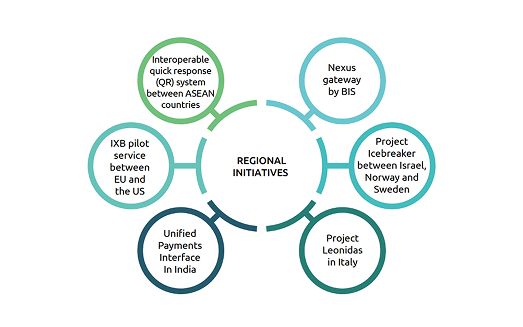
A strategy for a fintech product's market entry and growth, delivering the architecture, technology and investment plan, with a roadmap for the analysed markets.
View case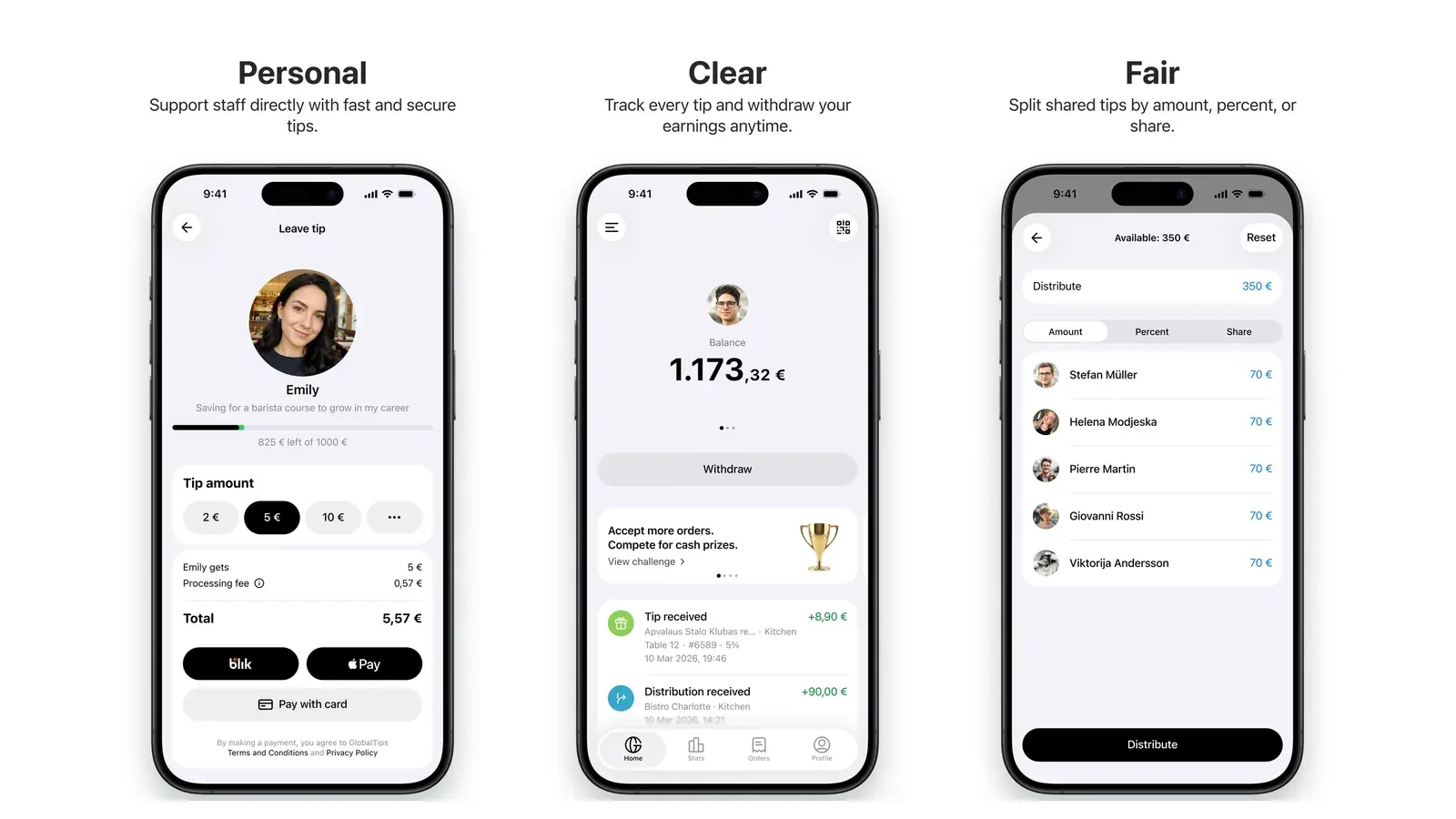
GlobalTips called us in for one feature in their guest app. After 14 monthly cycles, we now build across their guest app, staff app and web products, and BLIK carries about 15% of their payments in Poland.
View case
PushMaster is an enterprise-grade push notification server for reliable, multi-channel message delivery across web and mobile.
View caseWe've been working with WislaCode since July 2025. What started as enhancing the loyalty program in our GlobalTips guest app grew into a broader partnership where they now handle significant frontend development across our guest app, staff app, and web products.
This was a very task-heavy project, mostly exploration and R&D-driven. However, by the end of WislaCode, we were left with a detailed roadmap consisting of clear milestones - able to be converted into tangible KPIs - and some neat ideas of what actionable are next. Integrating...
We collaborated with WislaCode on a product strategy development project and gave the highest marks for this contractor. The WislaCode team delivered on time and with outstanding quality.
Have a fintech software scope you want owned end to end?
Tell us where the build is, or where the integration is blocking, and we will map the shape.