
Progressive web app development
PWA development for fintech, lending and B2B2C platforms. Installable, offline-capable web apps that ship faster than native and reach users without app store friction.
Results from work we have shipped
Shortlisting a software development partner?
The questions to ask in an RFP, three warning signs a vendor may not deliver, and a scoring matrix to compare contractors objectively.
Where PWA development fits a fintech platform?
Mobile-first onboarding, KYC and credit application without app store friction - we shipped exactly this for a regulated multi-country lender, with first users in five months. The build covers the whole journey: identity and document capture in the browser, strong authentication, and an audit trail your compliance team can read. With no store review between releases, the funnel can be tuned as fast as you can decide, across a wide device mix on one codebase.
See the serviceThe end-user surface for a B2B platform's enterprise client, delivered through the browser - the client ships to its own users without building a native app of its own. The platform keeps the integration backbone, identity and audit trail on its side; the client gets an installable, offline-capable product its users reach from a link. Releases reach every client's users at once, so the whole estate runs the current version without a store cycle.
Merchant-facing portals and partner dashboards where a native install would slow adoption - the PWA installs when the user wants it and updates the moment you release. Nobody installs an app to check a dashboard, so the portal arrives as a link, works on whatever device the merchant already holds, and earns its place on the home screen through use. Authentication, session handling and the audit trail carry the same discipline as our fintech builds.
Standalone onboarding and KYC flows, installable for repeat use and embeddable in a parent product - camera and document capture run inside the PWA. We design the capture journey for the network it will really meet: a half-finished application survives a dropped connection, and consent and the audit trail are recorded as the regulator expects. Built once, the same flow serves every entry point - web, embedded or installed - so onboarding is maintained in one place.
One codebase, web and app stores. Let us scope it.
Tell us the audience and the device mix, and we will recommend the right shape.
How we deliver PWA development?
The same delivery discipline on every engagement - from the first map to a handover your team runs.
A named architect makes the PWA, native or hybrid call against your audience and device mix, sometimes more than one shape, and sets the service worker strategy before any feature is built.
Service worker caching, background sync, an installable shell with platform-appropriate prompts, and clean behaviour when the network drops. Offline is designed, not assumed.
Strong customer authentication, KYC capture, secure session handling with no secrets in client storage, and the audit trail your compliance team will need. The same discipline as a native build.
Performance budget, monitoring, documentation and source code handed to your team. A native shell or partner SDK can be added later without changing the backbone.
What shapes the work
Progressive Web App development is the right call when install friction is a real cost, when update speed matters more than the deepest device features, and when reach across a wide device mix matters. A PWA gives users an installable, offline-capable app through the browser, on one codebase, with no app store review between a release and the user.
For regulated fintech, that codebase advantage is concrete. One team builds the PWA and the native iOS and Android wrappers around it, which typically cuts team cost by around 30% against maintaining separate native apps. The product still reaches both the web and the app stores from a single core.
The PWA developers who get this right understand the regulated layer as well as the browser. A lending or onboarding PWA still needs strong authentication, KYC capture and an audit trail. That backbone is the difference between a real product and a brochure that happens to install.
A PWA is not a website with a manifest stapled on. The ones that succeed are run with the discipline of a production mobile product, and the ones that fail are run as websites with an install prompt.
Four things decide the outcome:
- Performance budget and offline behaviour designed from the start, not retrofitted at the end.
- Continuous testing on iOS, where install, storage and push behaviour are narrower than on other platforms.
- A real integration backbone behind the surface: identity, audit trail and consent, not just screens.
- A clear update strategy, so a release reaches users without breaking the cached version they already have.
For the broader mobile question across native and PWA, see mobile app development; for a web product that does not need the installable shape, see custom web solutions.
Service workers carry the offline behaviour, the caching strategy and the update flow. We design cache invalidation against the regulated context, so a stale balance or an out-of-date consent screen never reaches the user.
Web push, installable shells and device access such as camera and biometrics are all in scope, with clean fallbacks where a browser does not support them. iOS support is narrower than Chromium, so we test it continuously rather than discovering the gaps at the end.
When a store presence is needed for brand or trust reasons, the same PWA core ships inside a thin native wrapper, a trusted web activity on Android and a native shell on iOS, and goes to the app stores without a second codebase. The user gets a store listing; your team still maintains one product.
A PWA build usually runs as a fixed-price first phase against a clear specification, with the offline behaviour, the install flow and the security model defined up front. Where the product is still finding its shape, a short discovery on time and material settles the unknowns before the fixed scope is set.
The native wrappers, when a store presence is needed, are priced as an extension of the same codebase rather than a second project. Because one team owns the PWA and the wrappers, the commercial model stays simple and the second platform costs a fraction of the first.
Most PWA builds do not start from zero. If you already run a responsive web product, the move is incremental: we audit what exists, add the installable shell and the service worker around the flows that earn them, and harden offline behaviour for the journeys that must survive a dropped connection. The URLs your users and your search traffic already rely on stay where they are.
If the starting point is a pair of native apps that cost too much to maintain, the move runs the other way. The integration backbone - identity, audit trail and consent - stays exactly where it is; the surface is rebuilt as a PWA against it; and the native apps retire only when the PWA demonstrably carries the traffic. Both surfaces run side by side until the numbers say the old one can go.
Either way, the migration is staged rather than a single cutover. Each release is small enough to roll back, the version a user already holds keeps working until the new one is safely in place, and nothing in the regulated layer - authentication, KYC, the audit trail - is rewritten just because the surface changed shape.
Everything a PWA does for the installed user, it also does for the user who just clicked a link. Every screen has an address, so a campaign, a partner referral or a support reply can land someone directly inside a flow - no store page, no download, no second decision point between the click and the product. That matters most where acquisition is the battle, as it usually is in lending and onboarding. In practice it gives you:
- Indexable public pages where the flow allows it, so search traffic lands on the product.
- Deep links that survive install and open the same screen in the installed app.
- Campaign links measurable end to end, from first click to completed flow.
- One analytics view across the browser and the installed shell.
The install then becomes a moment you choose, prompted when the user has a reason to return, rather than a tollgate at the front door. Users who install get the offline shell and push where the platform supports it; users who never install still get the full product. Both run on the same codebase the rest of this page describes.
WislaCode specialists quickly synchronised and worked with the second team involved in developing our solution. As a result, having started development from scratch, we came to the expected result quickly. The first users went to the application after 5 months.
What is included in a PWA engagement?
A PWA engagement is a production product, so the scope covers more than the screens. A typical build includes:
An installable shell with a service-worker caching and update strategy designed against the regulated context.
Offline and poor-network behaviour for the flows that have to keep working when the connection drops.
Strong customer authentication, KYC capture and consent, with an audit trail your compliance team can read.
A performance budget monitored on the real device mix, not a benchmark machine.
Continuous testing on iOS, where install, storage and push behaviour are narrower than on Chromium.
Source code, a runbook and a path to add native capability later without changing the backbone.
Everything in that list is owned by your team at handover, so the PWA is something you can run and extend, not a black box.
What is a Progressive Web App in a fintech context?
A web app that installs on the device, runs offline, behaves like a native app, and updates without an app store cycle. In fintech that means an onboarding, lending or B2B2C surface with the integration backbone of a real product behind it, not just a responsive website.
When should we choose a PWA over a native app?
When install friction costs you conversion, when update speed matters more than the deepest device features, and when the device mix is wide. Many programmes ship a PWA for one surface and native for another. We make the call on the shape step against your audience.
Do PWAs work for regulated lending and banking products?
Yes, when the regulated layer is treated as the backbone rather than an add-on. We delivered the KYC, compliance and credit integrations behind a multi-country lending PWA for $lana (Monetech), live with first users in five months. Strong authentication, KYC capture and an audit trail are part of the build from the start.
Does a PWA meet EU rules on authentication and accessibility?
Yes, and both are build requirements rather than a later audit. Strong customer authentication under the PSD2 technical standards, Commission Delegated Regulation (EU) 2018/389, requires an authentication code that cannot be derived from the elements behind it, Article 4, and the dynamic linking of every payment to its specific amount and payee, Article 5, which together shape how the confirmation step is designed. Accessibility now carries a date as well: the European Accessibility Act, Directive (EU) 2019/882, has bound covered operators since 28 June 2025 and puts consumer banking and e-commerce services in scope, so we build to its functional requirements and test against them instead of promising a remediation pass later.
How does one codebase cut team cost?
One team builds the PWA and the native wrappers around the same core instead of staffing separate native apps. Across fintech builds, that single-codebase approach typically cuts team cost by around 30%, and the wrappers ship as an extension of the same product rather than a second project.
Will a PWA install on iOS as well as Android?
Yes, with platform-specific behaviour we plan for. iOS Safari supports installable PWAs with narrower storage and push behaviour than Chromium browsers, so we test on iOS continuously rather than treating it as an afterthought.
Can an existing legacy platform be modernised into a PWA?
Often, and it is a common reason to choose one. The web surface is replaced first because it is what your customers see and what ships without an app store cycle, while the legacy back end stays in place behind an adapter layer. The programme gets a visible result early, and the core migration stays a separate and slower decision rather than a precondition.
Can we add native capability later?
Yes. The integration backbone behind the PWA does not change if the surface becomes hybrid or native later. Many engagements ship a PWA first and add a native shell or a partner SDK when the product needs the extra capability.
How do we choose between a PWA specialist and a general web agency?
Ask what happens behind the screen. A fintech PWA is an onboarding, lending or payment surface, so the questions that decide the outcome are about the integration backbone, the authentication flow, offline and retry behaviour, and how state is reconciled when a device comes back online after an hour without signal. A general agency tends to answer with design and framework choices; the team you want answers with the failure cases and has already shipped a regulated product through them.
How do you measure PWA performance for a fintech audience?
We set a performance budget at the architecture step covering load, time to interactive and bundle size, then monitor real users across the device mix. We tune against the percentile your audience actually sits in, not the median of an unrelated benchmark.
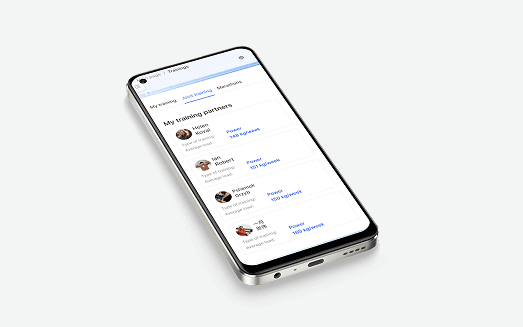
A progressive web app for independent and cooperative workouts in the gym, built for maximum accessibility.
View case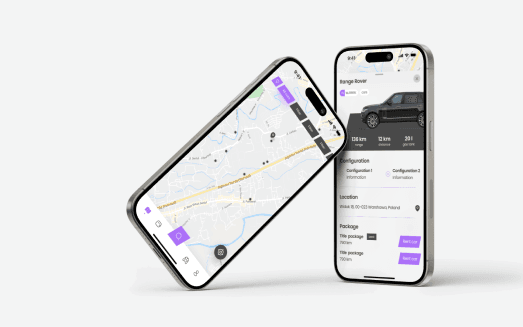
A design concept for a carsharing launch - a progressive web app approach, prototyped to be convenient for customers and efficient to run.
View case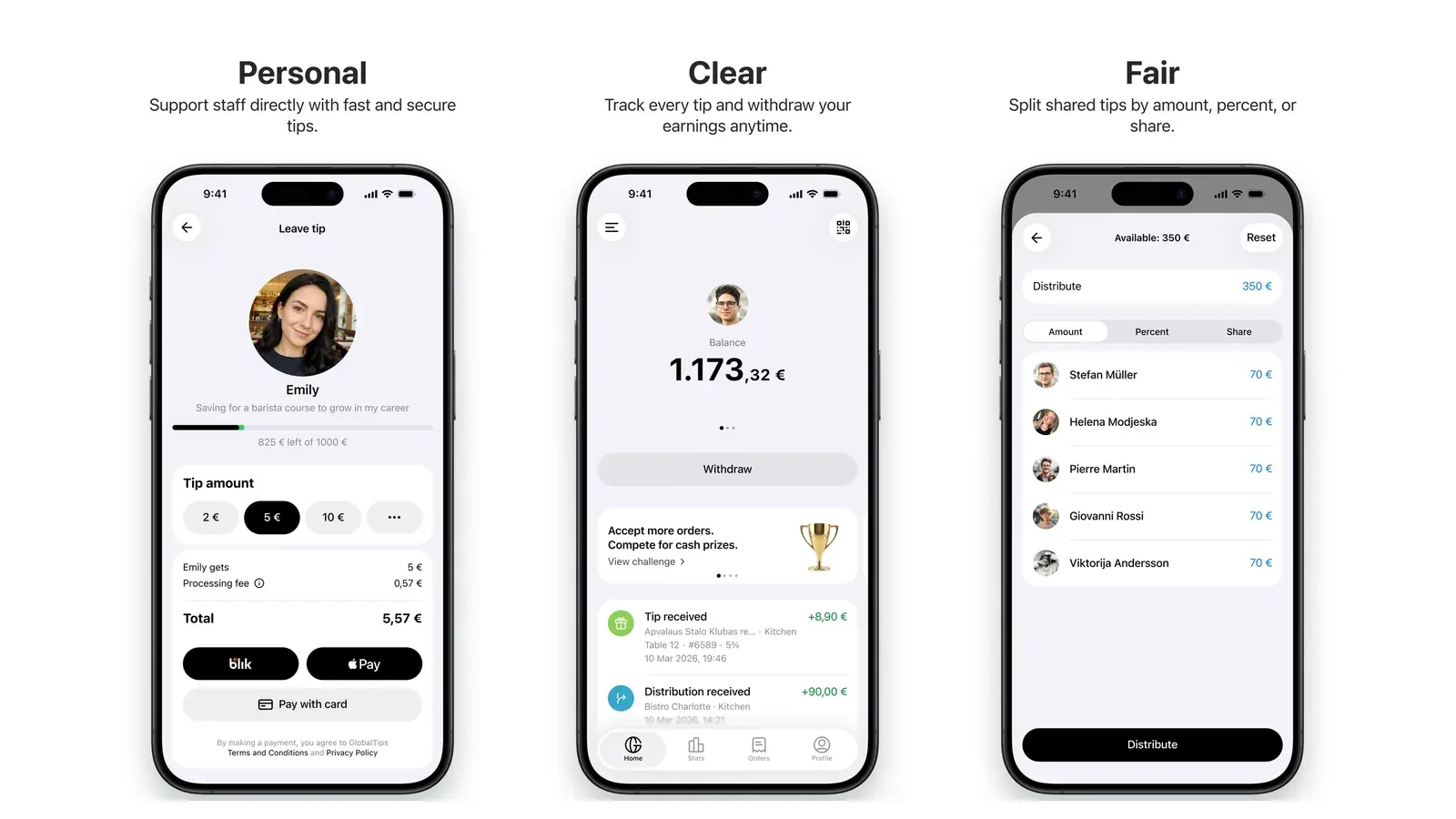
GlobalTips called us in for one feature in their guest app. After 14 monthly cycles, we now build across their guest app, staff app and web products, and BLIK carries about 15% of their payments in Poland.
View caseWe've been working with WislaCode since July 2025. What started as enhancing the loyalty program in our GlobalTips guest app grew into a broader partnership where they now handle significant frontend development across our guest app, staff app, and web products.
This was a very task-heavy project, mostly exploration and R&D-driven. However, by the end of WislaCode, we were left with a detailed roadmap consisting of clear milestones - able to be converted into tangible KPIs - and some neat ideas of what actionable are next. Integrating...
We collaborated with WislaCode on a product strategy development project and gave the highest marks for this contractor. The WislaCode team delivered on time and with outstanding quality.
Need a PWA built on a fintech platform?
Tell us the audience and the integrations, and we will map the right shape and the first phase.