

Running a small business takes speed, and modern fintech apps are making money management simpler for owners. Features like small-business banking, SME mobile banking and digital signatures let owners handle finances efficiently and spend more time on growth. This article looks at the features that make financial management easier for entrepreneurs, and the technology behind them.
Better financial operations for SMEs
Small-business banking is about removing friction from money tasks. Fintech apps for entrepreneurs pair strong backend systems with simple interfaces, so SMEs manage cash flow, payments and compliance with ease - and keep it secure.
Currency exchange for business needs
For SMEs with international payments, good exchange rates matter. Fintech apps let owners request custom rates in a real-time chat with a bank representative. Built on web sockets, messages arrive instantly, even when a user moves from mobile data to Wi-Fi, and the history stays in sync so nothing is lost. Owners negotiate rates in the app and save on conversions.
Real-time chat over web sockets keeps the conversation fluid, so owners can lock in a rate without delay.
Digital signatures for fast transactions
Digital signatures are a real step forward for small-business banking: owners sign payment documents in the app, quickly and securely. No physical paperwork, so approvals for invoices, contracts or transfers move faster. Built on encrypted protocols, they keep documents authentic and compliant - ideal for SMEs on tight schedules.
Few successful projects of WislaCode

Simpler payments and reporting
Good financial management for SMEs goes beyond transactions - it needs tools that make compliance and reporting easier. Fintech apps do this with features that save time and cut errors.
Instant tax payments
Tax can be a headache for owners, but SME mobile banking apps make it simpler. You pay tax in the app without typing bank details; the system pulls the data automatically for accuracy and speed. For example, settle VAT or payroll tax in one tap and get instant confirmation. Backed by secure APIs, it cuts admin and keeps SMEs compliant.
Benefits of instant tax payments:
- No manual data entry
- Instant payment confirmation
- Keeps you compliant with tax rules
Flexible money transfers
Owners often juggle personal and business accounts, and apps make moving money simple. Move funds from a business account to a personal card, with a digital receipt for each transaction for reporting. The app supports access levels such as owner or accountant, so small teams get the right permissions. Role-based access keeps personal and business finances in sync.
Feature | Benefit | Technology |
Currency Exchange Chat | Secures optimal rates via real-time negotiation | Web socket communication |
Digital Signatures | Fast, secure document signing | Encrypted authentication protocols |
Instant Tax Payments | Simplifies tax compliance with one-tap payments | Secure API integration |
Money Transfers | Seamless movement between business and personal accounts | Role-based access control |
Banking apps are WislaCode speciality
Let's start the conversation and develop a solution for your bank that allows you to grow and scale your customer experience.
More SME efficiency with acquiring services
For businesses that take card payments, acquiring services are essential. Fintech apps make them easier, so SMEs can manage sales and revenue in one place.
Which features actually earn loyalty?
Our free guide collects 40+ features we have shipped in banking and fintech apps that keep users coming back - onboarding, payments, savings and PFM, tools for sole traders. Take the ones that fit your roadmap.
Trade acquiring for retail
SME mobile banking apps let owners request acquiring services without a bank visit. Once approved, a manager brings the documents to the business, and the app shows real-time updates on credited funds and daily receipts. Backed by real-time data syncing, owners get full visibility of sales, so retailers can focus on customers instead of paperwork.
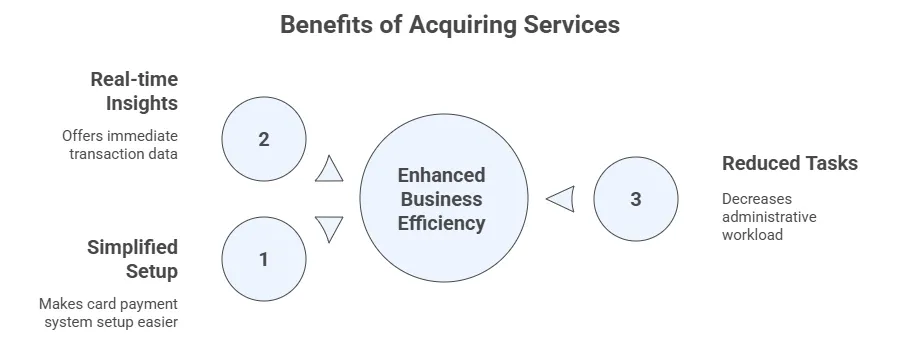
Why acquiring services matter:
- Simple setup for card-payment systems
- Real-time transaction insight
- Less admin for busy owners
Why WislaCode Solutions powers SME fintech
At WislaCode Solutions we build fintech apps for small-business banking. Our full-stack work delivers secure, scalable solutions with SME mobile banking tools, from digital signatures to real-time acquiring insight. Contact us to move your business banking project forward.
What are SME finance solutions and how do they benefit small businesses?
SME finance solutions refer to a range of financial products and digital services specifically designed to address the unique needs of small and medium-sized enterprises. These solutions include business loans, digital banking platforms, automated invoicing, and integrated payment systems. By using SME finance solutions, entrepreneurs can access funding more efficiently, manage cash flow with greater accuracy, and reduce administrative burdens. Modern platforms often provide real-time insights and analytics, enabling business owners to make informed decisions and plan for sustainable growth. The flexibility and accessibility of these tools are especially valuable in today’s fast-moving business environment, where agility and efficiency are crucial for success.
How does digital banking for entrepreneurs differ from traditional banking?
Digital banking for entrepreneurs offers a fully online experience, allowing business owners to manage their finances from anywhere, at any time. Unlike traditional banking, which often requires in-person visits and manual paperwork, digital banking platforms provide instant access to accounts, payments, and reporting tools through secure apps and web portals. Features such as real-time payment processing, automated compliance checks, and digital signatures streamline daily operations and reduce the risk of errors. Additionally, digital banking solutions are designed to integrate with other business tools, making it easier for entrepreneurs to track expenses, reconcile accounts, and stay compliant with regulations. This digital-first approach not only saves time but also empowers entrepreneurs to focus on growing their business rather than managing routine banking tasks.
What are business banking apps and why are they essential for SMEs?
Business banking apps are mobile or web-based applications that provide entrepreneurs with a centralised platform to manage all aspects of their business finances. These apps typically offer features such as multi-currency business accounts, instant money transfers, digital receipts, and role-based access control for team members. For SMEs, business banking apps are essential because they simplify complex financial processes, enable quick decision-making, and enhance security through features like secure digital signatures. The ability to access banking services on the go ensures that business owners can respond to financial needs promptly, whether it’s approving payments, checking balances, or generating reports. As a result, business banking apps play a pivotal role in improving efficiency and supporting the day-to-day operations of small businesses.
How do fintech tools for small businesses improve financial management?
Fintech tools for small businesses encompass a wide array of digital solutions, from automated accounting software to open banking integrations and real-time payment gateways. These tools are designed to automate routine tasks such as invoicing, tax calculations, and compliance reporting, significantly reducing the risk of human error. Open banking for SMEs, for example, allows secure data sharing between financial institutions and third-party providers, enabling entrepreneurs to access tailored financial products and services. Real-time payment processing ensures that transactions are completed instantly, improving cash flow and supplier relationships. By adopting fintech tools, small businesses can gain a competitive edge, optimise their financial operations, and focus more on strategic growth initiatives.
What is the importance of secure digital signatures and automated compliance in business banking?
Secure digital signatures are a cornerstone of modern business banking, allowing entrepreneurs to sign contracts, approve payments, and authorise transactions electronically with full legal validity. This not only speeds up business processes but also enhances security by using encrypted authentication protocols. Automated compliance and reporting tools further support SMEs by ensuring that all financial activities adhere to regulatory standards, such as anti-money laundering (AML) and know your customer (KYC) requirements. These features reduce the administrative burden on business owners, minimise the risk of costly errors, and provide peace of mind that their operations remain compliant with evolving regulations.
How do multi-currency business accounts and role-based access control support SME growth?
Multi-currency business accounts enable SMEs to conduct international transactions, holding and managing funds in different currencies without the need for multiple bank accounts. This is particularly beneficial for businesses with global suppliers or customers, as it reduces currency conversion costs and simplifies financial management. Role-based access control in banking allows business owners to assign specific permissions to team members, such as accountants or managers, ensuring that sensitive financial information is only accessible to authorised personnel. This not only enhances security but also streamlines workflows by allowing each team member to perform their duties efficiently. Together, these features support SME growth by making financial operations more flexible, secure, and scalable.