
Optimising medical sales representative routes with AI
An AI-driven solution that optimises medical sales representative routes and improves field efficiency, using deep learning over visit patterns to predict the best routes.
Medical sales representatives face challenges such as manual visit logging, inefficient route planning, and a lack of real-time adaptability. Our client, a major pharmaceutical distributor, required a solution to minimise travel time and maximise sales efficiency.
Our approach:
- Conducted in-depth data analysis of historical visit records.
- Applied machine learning models to identify inefficiencies in route planning.
- Developed a predictive optimisation model based on deep learning.
- Created an AI-powered mobile application for automated visit tracking and intelligent route suggestions.
Final results: what did we deliver?
- An AI-driven route optimisation system that reduces travel time by 12-18 hours per month per pharmaceutical sales representative.
- Dynamic route adjustment based on real-time data and traffic conditions.
- Transparent performance metrics for representatives and management.
- Enhanced reporting accuracy with automated visit logging and GPS verification.
- Ensured data quality, identified gaps and instances of employee misconduct, and built tools for ongoing quality assurance.
Outcome: a fully integrated, data-driven optimisation solution. The client did not simply receive an algorithm. They gained a scalable, AI-powered tool for continuous improvement in field operations.
AI-optimised routes and CRM-integrated guidance that cut travel and raise visits per day.
Many pharmaceutical sales teams struggle with inefficient logistics due to human planning limitations.
Our solution focused on using deep learning models to analyse large datasets and dynamically optimise routing.

- Deep learning-based route optimisation uses trained models to analyse historical data and predict the most efficient routes.
- Geospatial clustering with the OPTICS algorithm groups medical institutions to reduce unnecessary long-distance travel.
- API-driven data exchange enables seamless integration with CRM and ERP systems for improved connectivity.
- Automated visit logging minimises errors by accurately tracking locations in real time.
- The mobile application empowers field representatives with AI-assisted decision-making.
- Predictive traffic analysis processes both real-time and historical traffic data to optimise route planning.

We provided a step-by-step implementation roadmap:
- Data analysis and model training.
- Development of AI-based optimisation algorithms.
- Integration with existing enterprise software.
- Full-scale deployment and performance tracking.
The final result was optimised resource allocation, reduced operational costs, and improved sales representative efficiency by over 20%.

This is one of our AI route and territory optimisation projects - the same operations-research and machine-learning engine we apply to field forces across healthcare, logistics and sales.
Live location tracking for fleets and assets: geofencing alerts, route optimisation and utilisation dashboards, integrated with your fleet systems.
See the service Data Science & AI ServicesAI and ML for regulated fintech and banking - decisioning, predictive models, generative AI, assistants and search, inside your compliance boundary.
See the service Software development servicesFrom PoC and MVP to enterprise systems, analytics and modernisation.
See the service Data analytics solutions developmentWislaCode offers expert data analytics solutions development, transforming raw data into actionable insights. Our services enhance business intelligence and support data-driven decision-making for measurable growth.
See the service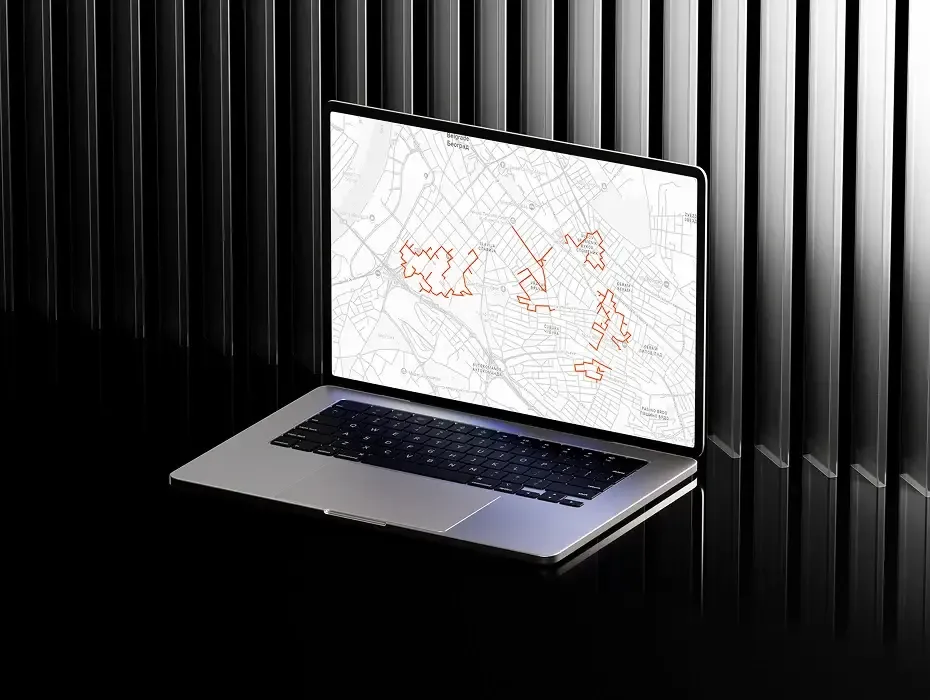
With Taal Healthtech, we reshaped not just the routing algorithm but how field teams operate: who to visit, in what sequence, and how to spend the day for maximum impact.
View case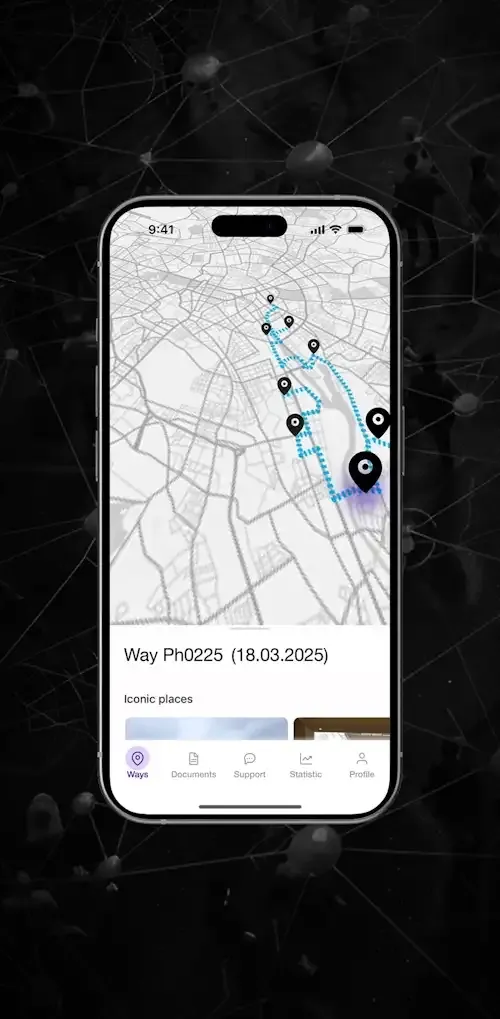
A data-driven GPS monitoring and routing system that helps sales teams work with higher efficiency and lower operating costs.
View case
A private, on-premise WislaSearch deployment that turns a logistics operator's scattered operational knowledge into instant, cited answers - without anything leaving their network.
View caseBook an integration review. Bring one stuck or upcoming integration - we'll diagnose it with you and scope the work, no obligation.