
MVP development
MVP development for fintech founders and platforms. Market-ready, regulation-aware, built so the first version does not become debt the second version has to clear.
Mobile-first lending with KYC, decisioning, disbursement and the reporting the market requires. This is the shape that grew into the $lana (Monetech) platform.
Learn more Payment product MVPA focused payment product, whether checkout, payouts or recurring, with the acquirer and reporting integrations a regulated launch needs.
Learn more Banking and account MVPA focused account or savings product on a sponsor bank or BaaS partner, with onboarding, identity and the tooling to run it with a small team.
Learn more B2B fintech platform MVPA focused platform MVP for the first enterprise client, with integration paths sized to win the second client without a rewrite.
Learn more Open banking MVPA focused aggregation or open banking product with consent management and the partner API patterns the market expects.
Learn more AI or data-product MVPA focused fintech AI or data product with the governance shape the regulated context requires, not a prototype that cannot reach production.
Learn moreBring the longer list – the scope call is where we park what the first version does not need.
The same delivery discipline on every engagement – from the first map to a handover your team runs.
We name what is in the MVP and what is parked, map the one or two integrations it cannot ship without, and confirm the deadline and the audience.
A named architect sizes the build for the MVP and a clear path beyond it, so the first version does not lock out the second. No over-engineering for year five, no under-engineering for year two.
Mobile or web, back end and integration layer built in your repositories, shipped to a small audience with the real integrations live, not mocked.
Working code in production, a runbook and documentation, and an honest plan for what the MVP showed you to build next.
MVP development for a fintech founder is not the same as for a generic consumer app. The first version of a regulated product has to integrate with at least one provider, capture KYC, handle authentication properly, and log enough to defend a decision. Cut those to nothing and you have a demo, not an MVP.
We deliver fintech MVPs with the regulated context built in from the first sprint. A market-ready MVP, not a deck and a clickable prototype. The same shape grew into the $lana (Monetech) lending platform we now point to as a case.
The trade-off that actually defines an MVP is scope. Founders arrive with a longer list than the first version can carry, so we name what is load-bearing for the proposition and park the rest. A focused MVP that ships in months beats an ambitious one that never launches.
An MVP is the foundation the next version is built on. Treat it as throwaway and you pay when it quietly becomes the live product.
Four lessons from the MVPs we have shipped:
- The MVP is a real product. Authentication, KYC and audit trail are real from day one, not faked for the demo.
- The integration partner choice matters more than the framework. The wrong KYC provider can double the unit economics.
- Scope discipline beats ambition. We push back on the parts that are not load-bearing and move fast on the parts that are.
- The architecture names what comes next, so the second version is an extension rather than a rebuild.
For the broader build, see financial software development; when one integration is the next blocker, see the integration unblock sprint.
A fintech MVP runs on the partners it integrates with. The right KYC vendor, acquirer, sponsor bank or credit data provider shapes the unit economics and the launch timeline more than any framework choice.
We help founders pick those partners on the scope call, with the same honesty we use on architecture. Sometimes the right answer is not the partner with the loudest marketing, and saying so early saves a costly switch after launch.
The integration to those partners is then built to be real, not mocked. A live KYC check, a real payment authorisation and a working credit decision are in the first version, because that is what an investor or a first customer is actually testing. A demo that fakes the regulated parts proves nothing and has to be rebuilt the moment the product goes live.
A fintech MVP is usually a fixed-price engagement against a scoped first version, so a founder knows the cost and the timeline before committing. The scope is set on the discovery call: what is load-bearing for the proposition ships, the rest is parked and named for later.
Where the idea is still moving, a short discovery on time and material settles the scope and the integration choices first, then converts to a fixed price once the first version is clear. We would rather spend a small paid discovery getting the scope right than quote a fixed price for a moving target.
Either way the regulated parts are real from day one. The regulated integrations sit inside the fixed-price scope from the start, so they arrive as part of the first version rather than as change requests after it.
At handover you own the product, not a dependency on us. The source code and IP are assigned to you, the build sits in your repositories, and a runbook and monitoring let your team operate it. Many founders take the MVP forward themselves with a clear runway; where the next phase is more work with us, it is a separate engagement sized to what the MVP showed. The architecture names what the second version needs, so it is an extension rather than a rebuild.
WislaCode specialists quickly synchronised and worked with the second team involved in developing our solution. As a result, having started development from scratch, we came to the expected result quickly. The first users went to the application after 5 months.
A fintech MVP engagement is scoped as a production product, not a set of screens and endpoints. Beyond the build itself, a typical first version includes the disciplines that let it stand up to real users in a regulated market.
A written scope decision that separates what is load-bearing for the proposition from what is parked and named for later.
An architecture record from a named architect, sizing the build for the first version and the path the second one will take.
Partner selection for the regulated pieces – KYC vendor, acquirer, sponsor bank or credit data provider – argued against unit economics, not marketing.
Live integrations rather than mocks, so the first version runs a real KYC check, a real payment authorisation and a working decision.
Authentication, consent capture and an audit trail built as production features, with test coverage concentrated on the money and identity paths.
Monitoring and a runbook that let a small team operate the product from launch, with the code in your repositories throughout.
A handover that includes documentation and an honest plan for the next version, grounded in what the MVP actually showed.
Everything on that list is owned by your team at handover – source code and IP assigned, the build in your repositories – so the MVP is a product you run and extend, not a black box.
What kinds of MVPs does WislaCode build?
Fintech MVPs: lending and credit, payments, banking and account products on a sponsor bank or BaaS, B2B fintech platforms, open banking, and AI or data products with the governance the regulated context requires. The thread is that the MVP is built to be a real product.
How long does a fintech MVP take?
A focused fintech MVP is typically 3 to 6 months from scope to live. For $lana (Monetech), the team assembled in a week, a prototype came in the first month, and first users arrived in five months.
Do you build on our existing platform or from scratch?
Either. Many MVPs are a new product on a founder's first build or a new line on an existing platform. We do not insist on a rewrite to engage, but we do require a clear scope.
Will the MVP scale, or need a rewrite?
We size the build for the MVP and the next two years. The architecture step names what the second version will need, so the first version does not lock it out. An MVP that forces a rewrite at year one is a failure mode we design against.
What happens after the MVP launches?
The handover is built for momentum: the codebase, the integration map and the next-version plan are yours, so the week after launch is spent shipping rather than negotiating access. Many founders take the product forward themselves with a clear runway; where the next phase is more work with us, it is scoped fresh against what the live MVP showed.
How do you choose the integration partners?
On the scope call, against the unit economics, the geography and the certification overhead. We integrate the providers the MVP needs and design the decisioning so the second version is not a rebuild, and we will recommend a partner who is not the loudest in the market if it is the right one.
Do you sign NDAs and IP assignment before the scope call?
Yes. For founders sensitive about the idea, we sign mutual NDAs before the scope call. IP terms are settled in the contract, with full assignment to the buyer as the default.
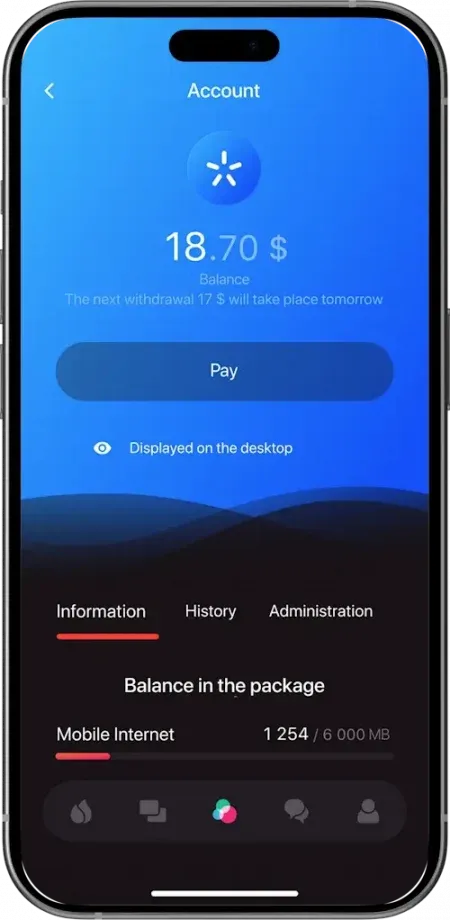
A consumer banking super-app in a regulated market had to launch at scale inside a fixed regulatory and competitive window. We owned the integration architecture and mobile delivery.
View case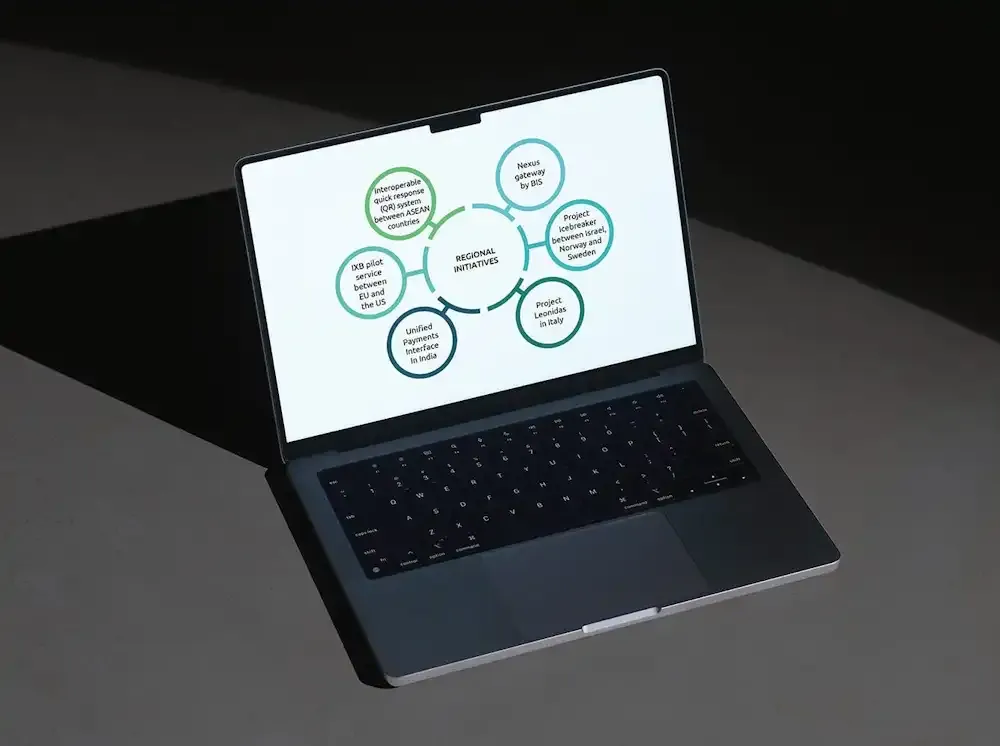
A strategy for a fintech product's market entry and growth, delivering the architecture, technology and investment plan, with a roadmap for the analysed markets.
View case
A private, on-premise WislaSearch deployment that turns a logistics operator's scattered operational knowledge into instant, cited answers – without anything leaving their network.
View caseThis was a very task-heavy project, mostly exploration and R&D-driven. However, by the end of WislaCode, we were left with a detailed roadmap consisting of clear milestones – able to be converted into tangible KPIs – and some neat ideas of what actionable are next. Integrating...
We collaborated with WislaCode on a product strategy development project and gave the highest marks for this contractor. The WislaCode team delivered on time and with outstanding quality.
We collaborated with WislaCode on a route-to-market optimisation project. Working with WislaCode was effective, transparent and predictable, which is especially critical for AI and ML projects. We provided them with six months of anonymised data, and within just three weeks...



Tell us the scope and the integrations it cannot ship without, and we will map the first version.